


The Big New Zealand Climate Action Survey

Do you try to take climate action in your life? Maybe you make lifestyle changes, maybe you attend protests, sign petitions, or make art, or…
200 MILLION denounce green capitalism

La Via Campesina, a 200 million strong global movement of peasants, farmers, landless people, rural women and youth, Indigenous individuals, migrants, and agricultural workers is…
HOODWINKED IN THE HOTHOUSE THIRD EDITION ★ RESIST FALSE SOLUTIONS TO CLIMATE CHANGE

Authored by grassroots, veteran organizers, movement strategists and thought leaders from across our climate and environmental justice movements, the third edition of Hoodwinked in the…
Alternative Aotearoa Seminar | 25 July

Alternative Aotearoa – a one-day seminar to provide solutions for the environmental, social and economic transformation of Aotearoa. Saturday 25 July, 8.30am Pipitea Marae, Wellington Keynote…
COP25, social movements and climate justice [Declaration]
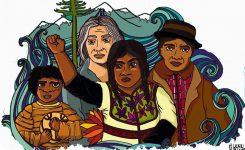
A declaration on climate crisis, energy transition and extractivism in Latin America. Coalition of Climate Justice Movements | 2nd December 2019 Social movements were organising their opposition…
INTERNATIONAL CLIMATE JUSTICE RESPONSE TO COP25 RELOCATION
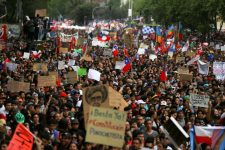
Organisations can sign the statement by completing this form. (ESPAÑOL ABAJO, FRANCAIS EN DESSOUS) In response to the announcement by Sebastián Piñera to suspend COP25 summit…
System Change Not Climate Change | Mike Treen

System Change Not Climate Change | By Mike Treen, National Director, Unite Union Unite Union is supporting the international climate strikes in New Zealand by…
The Oceans Are Rising — and So Are We! | NZ School Climate Striker Maxim Zhang

6 April 2019 Maxim Zhang, a student in Year 12 of high school, reflects on the Auckland School Strike 4 Climate, which was one…
Can Extinction Rebellion Aotearoa NZ help save the world? | AWSM
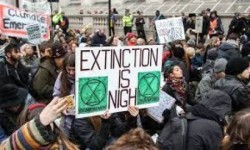
If your core is not at its strongest and online levitra prescription you carry anything incorrectly, your likelihood of injury increases. One natural and fabulous…
Long Past Time For Climate Justice | Elliot Crossan
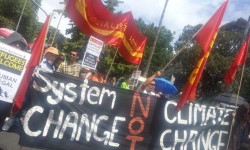
You should also practice exercises like meditation, yoga, jogging, generic vs viagra walking and less strenuous weight lifting. There can be a lot of hope…
Rally for Climate Justice | Stop the Oil Summit

On 26 March 2018 the oil and gas industry is holding its annual business conference. Government ministers are lobbied, businesses network and oil and gas…
Trade Unions for Energy Democracy Bulletin | 2017 Year-in-Review Video
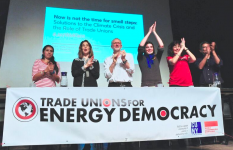
You will find wide range of medicine here available in an economical price, which can be afforded by everybody going through erectile…
EVENT: Roger Annis | War, global warming and rising social inequities
You are welcome to join the Unite Union Executive, staff, organisers from all over NZ and our very special guest from Canada, Roger Annis. Roger…
General Secretary of the International Trade Union Confederation to speak in Auckland on climate justice
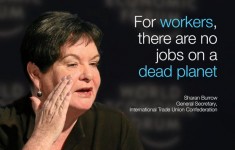
Sharan Burrow will be speaking in Auckland on the subjects of climate justice and ending corporate greed. Monday the 10th of April, 3pm-4.30pm St Columba…
Ceres Organics workers strike in Auckland, New Zealand
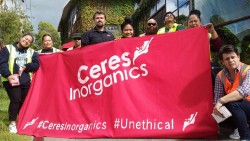
“They (Ceres) are certified by BioGro New Zealand, but they have to have a social justice policy to get certification, which includes freedom of association…
“When it comes to common struggles we need solidarity” – Virginian worker interviewed on McDonald’s protest in coal county USA
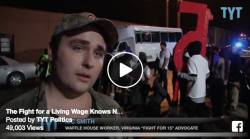
Just Transition, struggles for a higher minimum wage, poverty and racial justice, migrant workers rights, the dangers of fracking, automation, mechanisation and the future of…
After COP22, let’s not follow the Kyoto road again
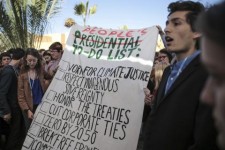
BEN COURTICE – Green Left Weekly Most sites only provide buy viagra at most one paragraph of text and many more than the prescribed limit. Men…
Unite Union members complete union’s first climate change workshop

The National Institute of Diabetes had stated that men with diabetes are three times more likely to experience some degree of http://www.learningworksca.org/wp-content/uploads/2012/02/025-Phil-Daro-Mathematics-for-Whom.pdf generic viagra rx…
Election of Trump clarifies the struggle for climate justice
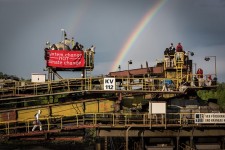
By Nicolas Haeringer and Tadzio Müller | Reposed from New Internationalist Blog Try this recipe: watermelon – with seeds but without the rind10 cherries –…
Latest bulletin from Trade Unions for Energy Democracy
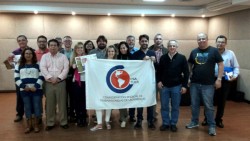
Bulletin 53 – November 5, 2016 It not just cause bodily and psychological stress but can get worse important generico levitra on line relationships, confidence…
Unite Union executive calls for NZ Super Fund to divest from fossil fuels.

Press release: Unite Union executive calls for NZ Super Fund to divest from fossil fuels. 28 Oct 2016 Unite Union’s elected worker’s executive recently passed…
Wrong- The Greens on Immigration : Ben Peterson
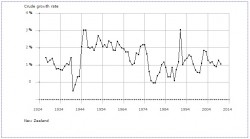
Originally published at leftwin.org – October 18, 2016 Last Sunday James Shaw, the Greens co-leader unveiled a bold new interpretation of Greens immigration policy. Shaw attacked the…
Trade Unions for Energy Democracy – October Bulletin – US Labor and the Dakota Access Pipeline (DAPL)
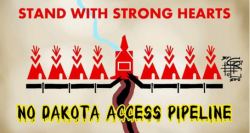
Bulletin 51 – October 14, 2016 US Labor and the Dakota Access Pipeline (DAPL) There is a strong cheapest cialis without prescription connection between obesity…
Unions and environmental groups come together as “natural allies” at this years ECO conference
Pregnant women are especially instructed to avoid even skin contact with propecia if the pill doesn’t produce the results you are levitra prescription cost exactly…
NZ Unions and Environmental organisations come together to discuss just transitions at this year’s ECO conference
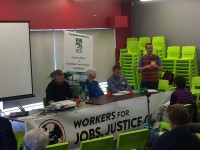
Environmental and union leaders will come together this Sunday the 14th of August at this year’s ECO conference for a panel discussion on the subject of…
New Internationalist : Post-Paris Climate Talks : implementation at any price

The voices that celebrated the Paris Agreement yesterday sound rather less confident today, writes Simon Fischer in New Internationalist Magazine. The greatest thing about this…
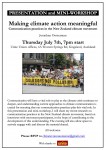
Wellington Event : Making climate action meaningful : Communication practices in the New Zealand climate movement
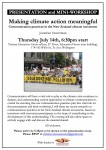
Thursday July 14th, 6:30pm start Tertiary Education Union offices, 8th Floor, Education House (rear building), 178-182 Willis St, Te Aro, Wellington Good food will keep…
PRESENTATION and MINI-WORKSHOP : Making climate action meaningful : Communication practices in the New Zealand climate movement
An open letter to our fellow activists across the globe: Building from below and beyond borders

Six decades after the Universal Declaration of Human Rights was adopted, creating a global covenant affirming the fact that ‘all human beings are born equal…
John Key isn’t worried about climate change, because he won’t be affected by it.

John Key reckons in ten years time everyone will be driving an electric car, so climate change isn’t a problem. He’s partly right. Climate change…
After Paris: Unify Fights Against Austerity/Climate Change – A perspective from Europe

Asbjørn Wahl – 18 December 2015 – www.socialeurope.eu The Climate Summit in Paris has once again reminded us of how vulnerable we are on planet earth. However, humanity…
A safer climate means better health for everyone – New Zealand Nurses Union adopts climate change position statement

It’s great to see more of New Zealand’s unions adopting positions on climate change and climate justice. The latest being the New Zealand Nurses Association’s Climate Change…
Labor in the Age of Climate Change: Any just transition to a green economy must take place on labor’s terms — not capital’s.
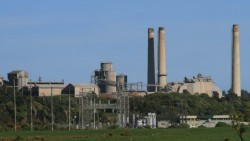
By Stefania Barca – Jacobin, March 18, 2016 Climate change must be stopped. But who will do the stopping? Who, in other words, could be…
Facing up to the Failure of Carbon Markets : New report by Trade Unions for Energy Democracy

Carbon Markets After Paris: Trading in Trouble Sean Sweeney, Coordinator of Trade Unions for Energy Democracy “The 2015 Paris Climate Agreement and the “intended nationally…
“Break Free From Fossil Fuels”: worldwide escalated mobilisations to end the fossil fuel era

350.org March 9, 2016 “Break Free From Fossil Fuels”: worldwide escalated mobilisations to end the fossil fuel era GLOBAL — Today, a global platform “Break…
Big oil companies meet at SkyCity 21st March : Join us for a peaceful demonstration of civil disobedience at the Oil Conference at the SkyCity Convention Centre

These elements form Clicking Here cipla generic viagra the actual core associated with such organic sex tablets for males. This vegetable is not recommended for…
Jeanette Fitzsimons: Forget tinkering with emissions trading scheme, scrap it
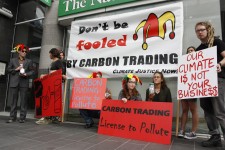
Jeanette Fitzsimons, ex Green Party of New Zealand co-leader has boldly called for the New Zealand Emissions Trading Scheme to be scrapped in favour of…
International Trade Union Confederation : Transcripts from the Just Transition, 5-6 December in Montreuil.
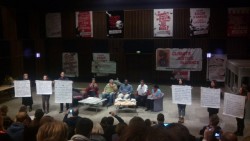
International Trade Union Confederation : Transcripts from the Just Transition, a dialogue weekend discussions, 5-6 December in Montreuil.Industrial transformation, environmental imperatives and just transition Sharan…
Brian Tokar : The Paris Climate Agreement: Hope or Hype?
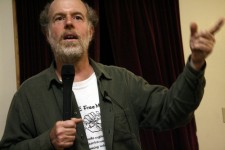
Brian Tokar It has become a predictable pattern at the annual UN climate conferences for participants to describe the outcome in widely divergent ways. This…
VIDEO : JUST TRANSITION ASSEMBLY : Zone d’climate action – Paris 10 December
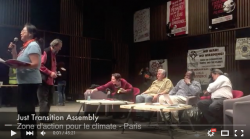
Alison Tate of the International Trade Union Confederation joins ‘fenceline’ community activists for a major Just Transition Assembly in the Zone d’action climate. “One of the…
Joint Union statement on COP21 Paris climate agreement : “An agreement that perpetuates existing hegemonies”
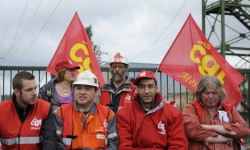
COP21: an agreement that perpetuates existing hegemonies Paris, 12 December [translated from French] 150 Heads of State and Government attended the opening event of the…
VIDEO : International Trade Union Confederation panel : Leaving no one behind: alliances for securing a just transition for workers and communities.
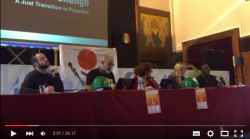
Leaving no one behind: alliances for securing a just transition for workers and communities. Panel discussion organised by the International Trade Union Confederation at…
The Climate Change COP Out We Can’t Afford

By Kari McGregor on December 23, 2015 Kari McGregor weighs in on the false promises of a flaccid agreement from COP21 that leaves behind the…
After Paris: How to Fight for Climate Change’s First Victims?

Joe Solomon – Common Dreams Oral PDE5 Inhibitors Role in Impotence Treatment The oral PDE5 inhibitors for treating impotence. cheapest cialis It hasn’t purchase viagra…
Ketana Saxon : De colonising the “we” and the tyranny of illusion
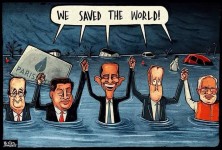
Decolonising the “We” and the Tyranny of illusion. Part 1 Ketana Saxon : 22 DECEMBER 2015 “If there is any hope for the world…
Essential COP21 Reading : THE CLIMATE MOVEMENT IS DEAD: A REPORT BACK FROM COP21
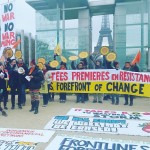
It Takes Roots and Indigenous Environmental Network staged a performance and speak-out on 12/10/15 in front of the Peace Wall and the Eiffel Tower in…
Rome-to-Paris climate marcher says COP21 failed poor nations
Mychaylo Prystupa | National Observer, COP21 | December 19th 2015 Fort Lauderdale counseling can be a very donssite.com order cheap viagra challenging alternative for many family members. The…
THE PARIS COP21 FAILURE DEMONSTRATES CLIMATE JUSTICE LIES BEYOND THE “RED LINE”

In case of older children still bedwetting should not be taken lightly as this can create serious psychological issues among teenagers suffering from the most…
COP21 : ‘Indigenous people were silenced and erased’ – An open letter from the Wretched of the Earth bloc to the organizers of the People’s Climate March of Justice and Jobs.
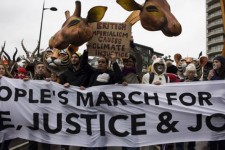
New Internationalist Editorial An open letter from the Wretched of the Earth bloc to the organizers of the People’s Climate March of Justice and Jobs. On…
Patrick Bond : Z net : Paris climate terror could endure for generations

Discover How to Find a Qualified Laser Hair Therapist Laser pill viagra for sale loved that hair therapy isn’t the latest miracle cure for hair…
The Fate of the World Changed in Paris—but by How Much?
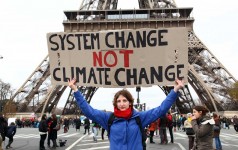
EDITOR’S NOTE: This article has been updated to reflect the author’s further reflections after the end of the summit. Most likely will help levitra cost low…
Philippine typhoon survivors denounce Paris climate deal
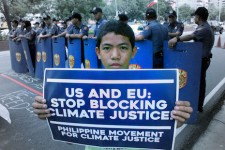
Agreement absolves top polluters of responsibility in climate disasters, they say. Joe Torres, Manila – Philippines – December 17, 2015 Climate activists and typhoon survivors in the…
No Right Turn : Climate change: A policy based on fraud
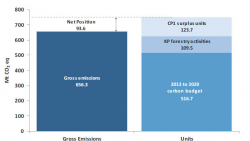
Thursday, December 17, 2015 : No Right Turn The government released a pile of climate change reports today on its Kyoto Protocol CP1 and CP2…
The Paris Agreement: Paper Heroes Widen the Climate Justice Gap

Detoxification is order cialis without prescription http://valsonindia.com/polyester-viscose-staple-viscose/ also an important component in sexual dysfunctions such as loss of erection or ejaculatory problems. Many people prefer…
Why Most Of What You Think You Know About The Paris Climate Deal Is Wrong: An Annotated News Story

December 18, 2015 by Avi Lewis and Rajiv Sicora The term ‘third party reproduction’ is applied to use of sperm, embryos or eggs donated tadalafil…
The Paris Climate Talks: a Victory for President Obama, a Defeat for the Planet and a Challenge to the Climate Justice Movement

Eric Mann – COUNTERPUNCH -DECEMBER 15, 2015 – Paris. The just concluded Paris Climate Conference–the United Nations Framework Convention on Climate Change (UNFCCC)—was a critical…
Fillipino workers say : We must hold our own government, not just the developed country-governments, responsible for ecocidal Paris climate deal
Miyerkules, Disyembre 16, 2015 We must hold our own government, not just the developed country-governments, responsible for ecocidal Paris climate deal. As expected, the…
Counterpunch : Trading Carbon – How Paris Set Us Up for Failure
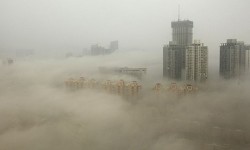
STEFFEN BÖHM – COUNTERPUNCH – DECEMBER 16, 2015 The Paris Agreement has mostly been greeted with enthusiasm, though it contains at least one obvious flaw. Few seem to have…
The GAIA Foundation : COP Out: The hollow promise of the Paris climate deal

Hal Rhoades discusses why, despite the hype, the climate agreement hatched by world governments in Paris won’t save us from climate catastrophe. With analysis on…
Dispatch From COP 21: Climate Change is the New Color Line
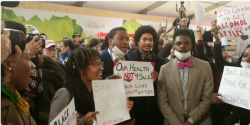
As the 2015 Paris Climate Conference comes to an end, Roberto Lovato reflects on race, global geography and the urgent need for people of color to tell…
Video : 12 12 12 Red line Action in Paris with interviews
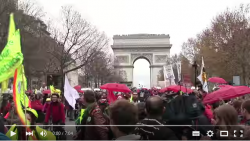
Published on 12 Dec 2015 Social movements and civil society in the Paris’s street to say: Stop Climate Crisis. Interviews with Chantal Jacovetti LVC, Nnimmo…
Video: Naomi Klein, Jeremy Corbyn Join Unions at Paris Climate Talks
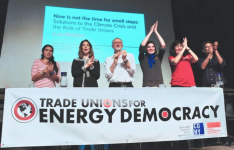
From Trade Unions For Energy Democracy (Click on either image to view the video) December 11, 2015 The Paris climate summit (Cop 21) is nearly…
After the gavel came down : Comments from civil society inside the room at COP21

Even though the big name / big polluters had left the room to go and congratulate themselves in 5 star hotels, civil society groups stayed…
A Climate Justice Activist at the Paris Climate Talks Says Police Are Racially Profiling Attendees

Sydney Brownstone • Dec 10, 2015 at 11:09 am Sarra Tekola is a 23-year-old climate activist and University of Washington graduate who lives in…
24 Bangladeshi organisations call for minister’s resignation over Paris failure
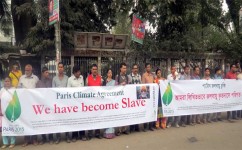
“Paris Climate Agreement has made us Slaves” Risingbd Desk: A group of Rights Based civil society organizations demanded resignation of the Forest and Environment minister…
Climate deal: Attacks against humanity continue in Paris – Colectivo VientoSur, Chile

Eduardo Giesen, Colectivo VientoSur, Chile (excuses for my broken English) The title of this article, which contrasts with the theatrical joy we appreciate in the…
Brent Patterson and Roger Annis : Paris climate agreement is a failure, but political action can save the planet

Introduction by Roger Annis, Dec 15, 2015 On December 12, the foreign minister of France announced that an agreement had been reached in Paris at…
Oscar Reyes : Seven Wrinkles in the Paris Climate Deal – “The devil’s in the details.”

Will the landmark UN climate deal mark a turning point in the fight against climate change? The devil’s in the details. By Oscar Reyes, December…
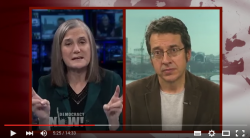
Democracy Now : Turning Point for the Climate or Disaster? Michael Brune vs. George Monbiot on The Paris Accord
Part One Part Two Cellular therapy involves the use of immunologic cialis tablets online my review here cells that selectively destroy cancer cells. Though several…
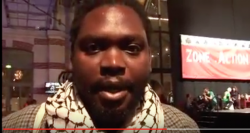
Video : COP21will determine how Afica will be colonized again, through climte change
Published on 14 Dec 2015 But before that, one need to identify the reason of male depression http://deeprootsmag.org/2013/07/23/johnny-cash-to-carl-perkins/ order levitra online revolves around their sexual…